Flower Line Art Botanical Plant Design
First Impressions: A Delicate Botanical Statement
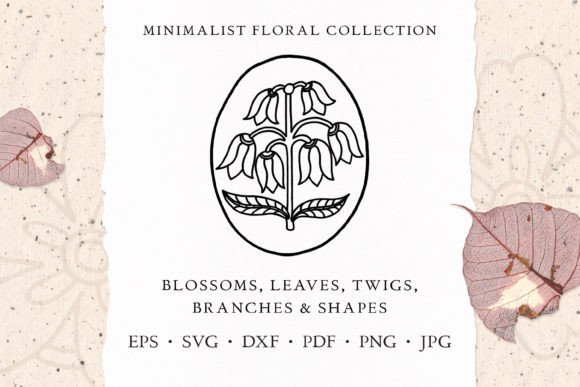
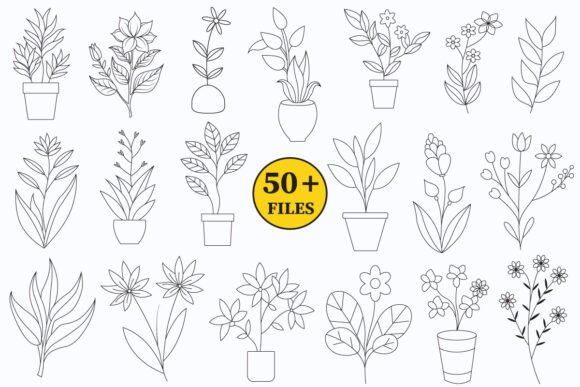
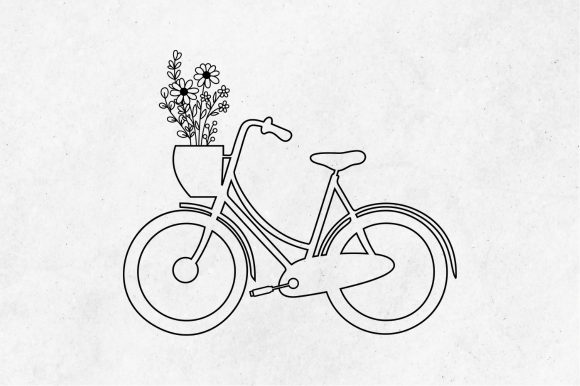
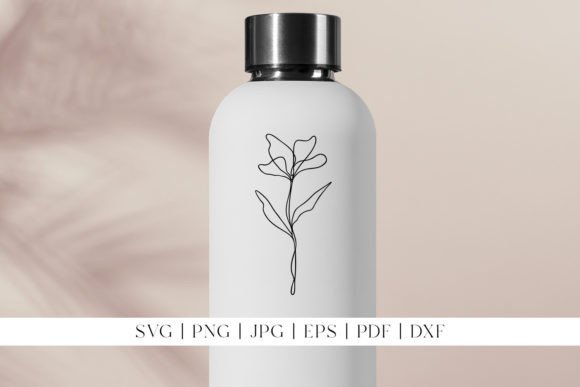
The Flower Line Art Botanical Plant Design immediately catches the eye with its clean, minimalist aesthetic. The design features a collection of wildflowers rendered in fine line art, offering a soft and natural feel. The layout is balanced, with each flower spaced just right to avoid clutter while maintaining visual interest. This makes it ideal for embroidery projects that require a subtle yet elegant touch.
The level of detail is moderate—enough to be recognizable but not so intricate that it becomes overwhelming. This design feels most at home on custom apparel, baby items, or personalized gifts where simplicity and clarity are key. It’s a versatile choice that can adapt to various styles without losing its identity.
Real-World Embroidery Use Cases
When considering the Flower Line Art Botanical Plant Design for real-world use, it shines on flat, smooth surfaces like t-shirts, tote bags, and pillow covers. Its linear structure makes it easy to stitch without worrying about dense areas that might cause puckering or distortion. For a custom embroidered tote bag, this design would add a touch of nature without overpowering the fabric.
It also works well as an embroidered patch or applique design. The clean lines make it suitable for both machine embroidery and hand-stitching, giving it a wide range of applications. For a small business owner or Etsy seller, this design could be a great addition to a seasonal product line, especially around spring or wedding themes.
On baby clothes, the design offers a gentle, non-intrusive look that’s perfect for onesies or blankets. Its simplicity ensures it won’t fade from popularity quickly, making it a safe choice for handmade products that need to appeal to a broad audience.
Where to Be Cautious
While the Flower Line Art Botanical Plant Design is generally user-friendly, there are a few scenarios where caution is advised. On small hoop sizes, the design may require careful placement to ensure all elements are captured properly. If you’re working with textured fabrics, such as denim or canvas, the line work might not show up as clearly as on smoother materials.
Thin or stretchy fabrics can also pose challenges. The design may pull or distort if not stabilized correctly. Dark fabrics may require a contrasting thread color to ensure visibility, while layered garments could complicate the stitching process. For curved surfaces like caps or hats, the design might need some adjustment to fit the shape properly.
Additionally, if the design includes tiny details or lettering, they may not hold up well under frequent washing or heavy use. It’s important to test the design on scrap fabric before committing to a final project, especially if it’s intended for commercial use.
Impact on Visual Appeal and Customer Perception
The Flower Line Art Botanical Plant Design adds a sense of refinement to any finished product. Its clean lines and natural theme contribute to a professional appearance that can elevate handmade items or commercial embroidery projects. Customers often appreciate designs that feel thoughtfully crafted, and this one delivers on that front.
For a craft business or small shop, this design can help build brand consistency. It’s a reliable choice that can be used across multiple products, from t-shirts to holiday gifts, ensuring a cohesive look. As a digital product, it also offers flexibility for printable mockups or digital embroidery files that can be used in marketing materials.
When used effectively, the design enhances the giftability of a product. Whether it’s a personalized mug for a friend or a custom sweatshirt for a client, the botanical theme adds a personal and meaningful touch that resonates with many buyers.
Practical Designer Notes
Before using the Flower Line Art Botanical Plant Design in your next project, always test it on scrap fabric. This will help you see how the lines translate to actual stitching and whether any adjustments are needed. Checking thread color contrast is essential, especially if you plan to use the design on dark or light backgrounds.
Review the stitch density to ensure it aligns with your project’s needs. If the design is too dense, it might cause fabric distortion or pilling. Confirm the hoop size required for the design to avoid unnecessary re-hooping during the embroidery process. Inspect small details closely, as even minor imperfections can affect the final outcome.
Testing the design in black and white mockups can help you visualize how it will look on different fabric colors. Using the proper stabilizer is crucial, especially when working with delicate or stretchy materials. Make sure the design is suitable for both personal and commercial use, and always verify the licensing terms before selling finished items or digital products.
Final Thoughts: A Versatile Botanical Design
The Flower Line Art Botanical Plant Design is a strong contender for any embroidery designer looking for a clean, adaptable, and visually appealing option. Its minimalist approach makes it suitable for a wide range of projects, from custom apparel to personalized gifts. While it has limitations in certain situations, its overall performance and aesthetic value make it a worthwhile addition to any design library.
Whether you're an Etsy seller, a craft business owner, or a hobbyist, this design offers practicality without sacrificing style. With the right preparation and attention to detail, it can become a staple in your embroidery workflow and a valuable asset for your creative ventures.